

Many individuals unfortunately trust unqualified clinics, causing severe damage to the “windows to their souls.” Revision blepharoplasty acts as a miraculous solution to restore normal, healthy eyes for those affected.

What is revision blepharoplasty?
Revision blepharoplasty (corrective eyelid surgery) is a specialized aesthetic technique performed to correct complications or deformities resulting from previously failed or unsatisfactory cosmetic eyelid surgeries.
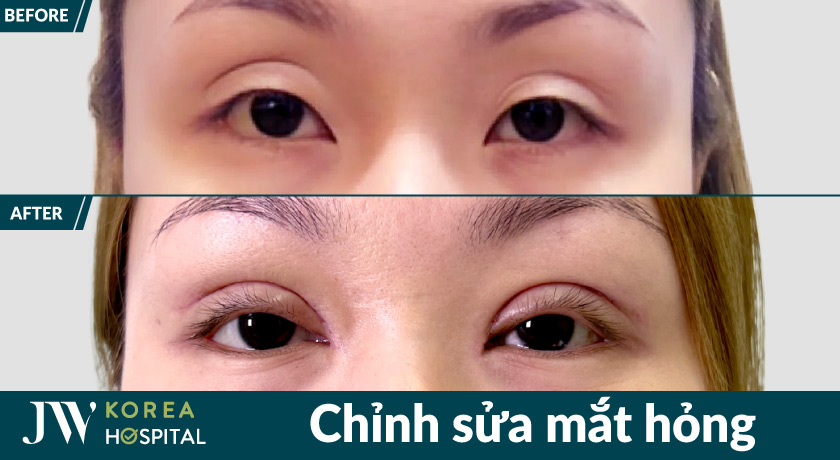
Restoring a natural eye shape after revision blepharoplasty at Bệnh viện JW
This procedure restores natural beauty and harmony to eyes damaged by unsuccessful cosmetic procedures.
Cases requiring revision blepharoplasty include:
- Asymmetrical eyelids: After non-incisional eyelid suture or double eyelid surgery (blepharoplasty), eyelid folds may become uneven, asymmetrical, or unnatural.
- Ptosis (drooping eyelids) or impaired eyelid opening: Following surgery, eyelids may droop or fail to open naturally, impairing vision or aesthetics.
- Unsightly scarring: Poor post-operative wound care or surgical trauma can result in hypertrophic, keloid, or pigmented scars across the eyelid crease, compromising aesthetic appearance.
- Aging eyelid skin: Older aesthetic procedures may not provide long-lasting results, leading to premature aging, sagging eyelid skin, or re-accumulated excess fat.
- Unnatural eye contours: Post-surgical eyes may not harmonize with the overall facial structure, or eyelid creases may clash with natural individual anatomy.
Revision blepharoplasty procedure:
Revision blepharoplasty utilizes advanced surgical techniques combined with delicate, precise intervention by specialist surgeons. The process typically entails:
- Re-excision of eyelid creases: Re-creating a natural double eyelid crease and correcting underlying issues such as ptosis or asymmetry.
- Scar revision: Minimizing and refining visible surgical scars from previous procedures.
- Eye contour enhancement: Adjusting the eye shape to ensure balanced, natural harmony.
Advantages
Revision blepharoplasty offers a transformative second chance for those who have experienced botched eyelid procedures. Highly regarded and widely sought-after, this advanced surgical approach delivers significant advantages to patients.
- Exceptionally safe: Utilizing cutting-edge techniques and highly trained specialist surgeons, the procedure minimizes post-operative complications and discomfort.
- Long-lasting results: Patients achieve long-term, stable results, regaining their desired aesthetic appearance permanently.
- High aesthetic precision: The method produces a natural, harmonious look without appearing artificial, substantially improving overall facial aesthetics.
- Minimizes complications: Corrective surgery safely addresses complex eyelid deformities without triggering secondary complications.
- Restores damaged eyelids: Regardless of the extent of prior damage, this technique effectively revives eye aesthetics and functionality.

Disadvantages
Although revision blepharoplasty is highly effective in treating previous eyelid surgery complications, several challenges and considerations must be acknowledged:
- Risk of complications: As with any surgical intervention, revision blepharoplasty carries risks such as infection, adverse scarring, or surrounding tissue trauma during surgery or throughout the recovery phase.
- Difficulties in complete recovery: In severe cases, revision surgery may not achieve absolute perfection. The eyelids may retain minor asymmetries or fall short of the patient’s ideal expectations.
- Scarring: Although surgeons meticulously suture surgical incisions, revision procedures may still leave fine scars along the eyelid region, which can affect aesthetics if scars remain conspicuous.
- Higher cost: Because this is an intricate, highly specialized surgical discipline, revision blepharoplasty typically incurs higher costs, particularly at reputable surgical facilities.
- Prolonged recovery: Recovery after revision surgery can take longer than primary eyelid surgery, requiring extra time for swelling and bruising to subside.
- Psychological anxiety: Having experienced a failed initial procedure, patients often suffer from emotional stress or fear when undergoing revision, which can impact recovery and perceived outcomes.
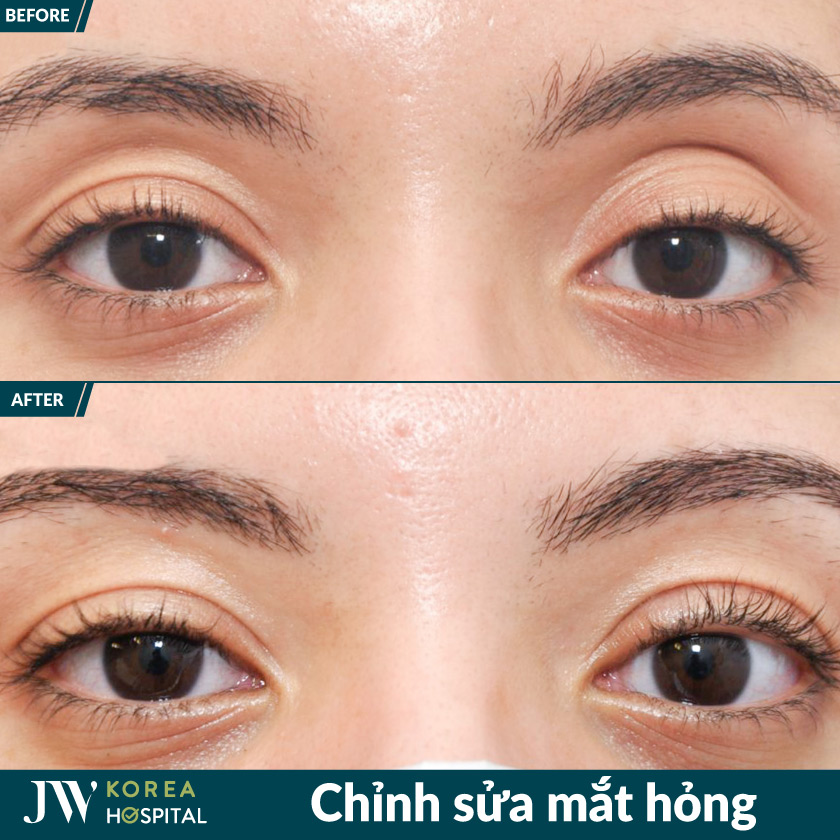
Regaining a natural gaze and well-defined double eyelids following revision blepharoplasty at Bệnh viện JW
Revision blepharoplasty requires superior surgical expertise and specialized anatomical knowledge; patients should carefully choose board-certified surgeons and accredited healthcare facilities to ensure optimal outcomes.
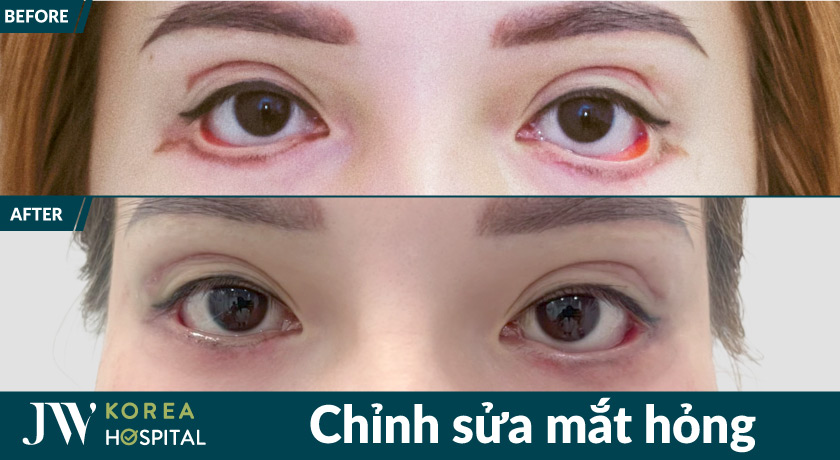
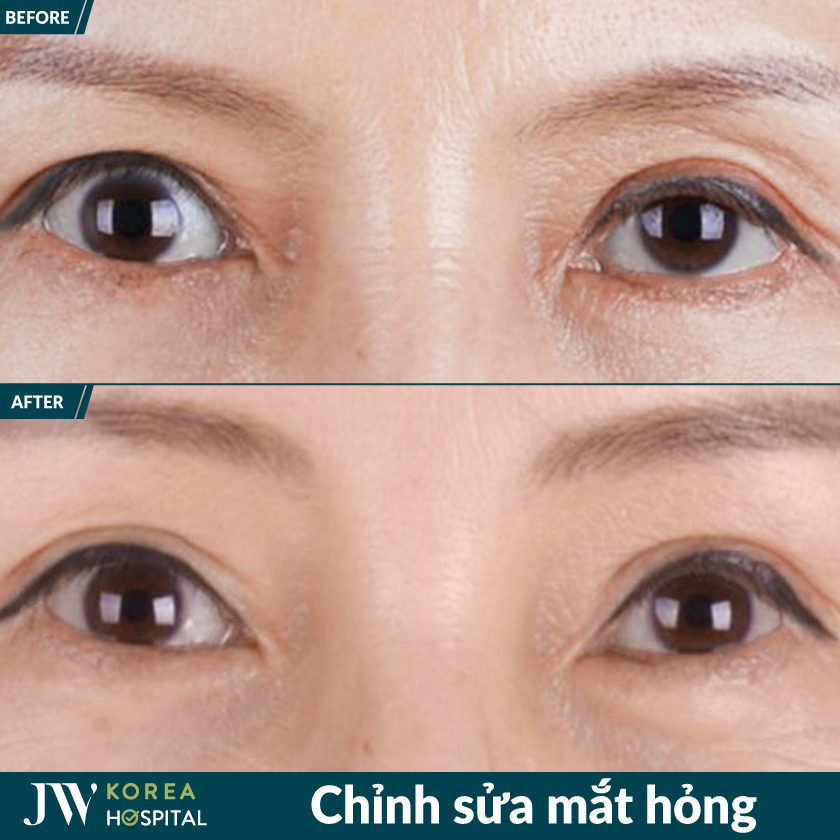
Before & After Results

Post-Operative Care Guidelines
- Apply cold compresses if swelling and mild soreness occur
- Protect the eye area from water, dirt, and airborne contaminants
- Avoid foods that may irritate surgical incisions, such as seafood, beef, and glutinous rice
- Avoid rubbing the eyes during the initial recovery period
- Attend all follow-up appointments as scheduled by your doctor
Frequently Asked Questions
- Is revision blepharoplasty painful?
Pain levels depend on the surgeon’s expertise and the medical facility’s standards. Specialists at Bệnh viện JW are thoroughly trained and supported by advanced pain management protocols, ensuring maximum patient comfort.
- When should revision blepharoplasty be performed, and for which cases?
The surgery is recommended for cases involving ectropion (eyelid eversion), failed blepharoplasty creases, or surgical complications.
- How long does it take for results to look natural?
Typically, eyelids stabilize within 1 month, regaining a natural, comfortable contour free from irritation.
Revision blepharoplasty provides a truly advanced approach to restoring completely natural eyelids, freeing patients from persistent pain and emotional distress.
Conclusion
Contact Bệnh viện JW Korea via HOTLINE 09.6868.1111 for more comprehensive information.
Consulting directly with board-certified plastic surgeons at Bệnh viện JW Korea is the most trusted choice for patients who have unfortunately suffered complications from unqualified aesthetic spas.