

Telangiectasia causes facial redness and visible blood vessels, impacting aesthetics. Learn about the causes and most effective treatment methods to restore healthy, beautiful skin.
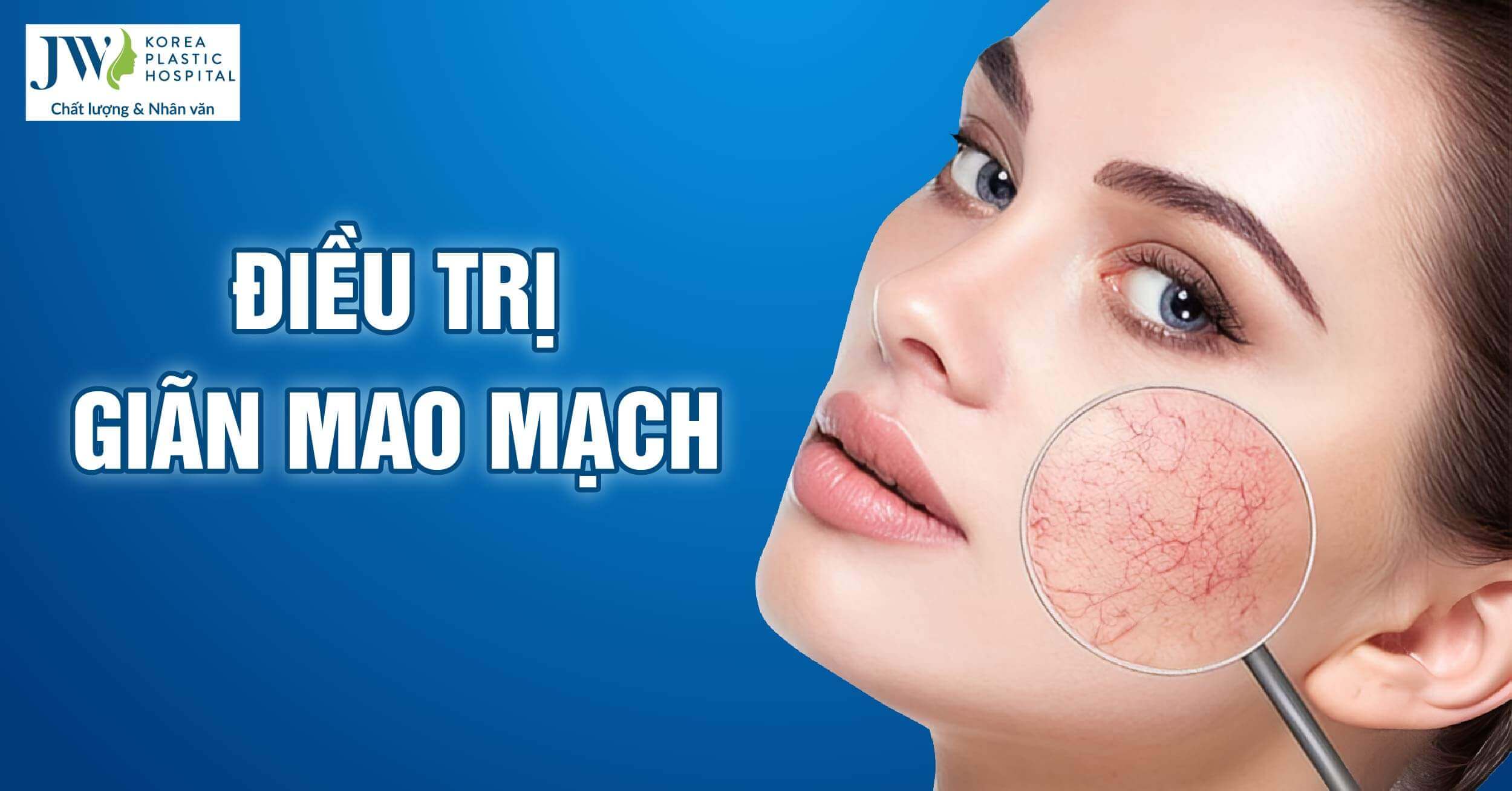
What is Telangiectasia (Broken Capillaries)?
Telangiectasia (broken capillaries or spider veins) is a condition where tiny blood vessels under the skin lose their elasticity, causing them to dilate and become visibly prominent on the skin surface.
This condition typically appears as fine red, blue, or purple lines in web-like or spider-vein patterns. They commonly appear in areas where the skin is thin, such as the cheeks, nose, temples, and legs.
Telangiectasia is referred to by various names such as spider veins, broken blood vessels, or superficial vascular dilation. This condition not only affects aesthetic appearance but also makes the skin significantly more sensitive.
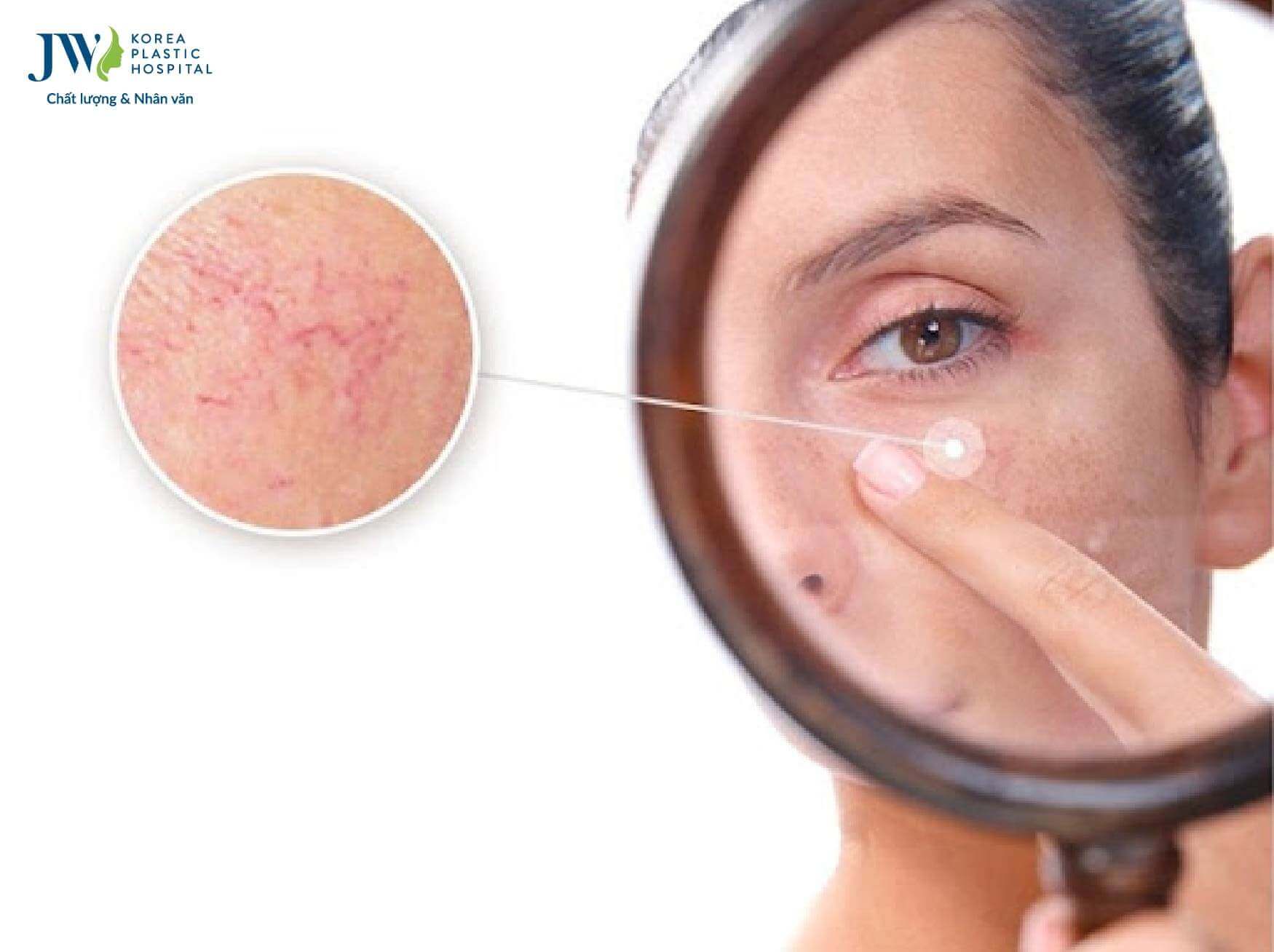
Loss of elasticity in subcutaneous capillaries
Causes of Telangiectasia (Broken Capillaries)
- Skin characteristics and vascular integrity: Thin skin, reduced elasticity, and poor blood circulation.
- Sudden weather fluctuations: Drastic temperature shifts directly affect blood vessels, causing abnormal constriction and dilation.
- UV radiation exposure: Ultraviolet rays from sunlight break down collagen and elastin, weakening capillary walls.
- Genetics: A family history of vascular dilation increases individual susceptibility to this condition.
- Hormonal imbalances: Frequently seen in women during pregnancy, postpartum, or perimenopause.
- Rosacea: A chronic inflammatory skin condition characterized by facial flushing.
- Alcohol and stimulant overuse: Induces vasodilation and persistent cutaneous erythema.
- Environmental pollution and toxic chemicals: External stressors that exert adverse effects on the skin barrier.
- Corticosteroid-containing cosmetics: Cause epidermal thinning and skin atrophy, rendering blood vessels prominently visible.
Telangiectasia can stem from various etiological factors. A thorough understanding of the root causes enables appropriate preventive strategies and effective treatment regimens.
Is Telangiectasia Dangerous to Health?
Capillary dilation on the legs is often overlooked in its early stages as it is concealed beneath clothing. In mild presentations, it poses no grave threat to overall health.
However, in advanced cases, capillary insufficiency can progress to inflammation, edema, venous congestion, or capillary rupture, adversely compromising systemic blood circulation.
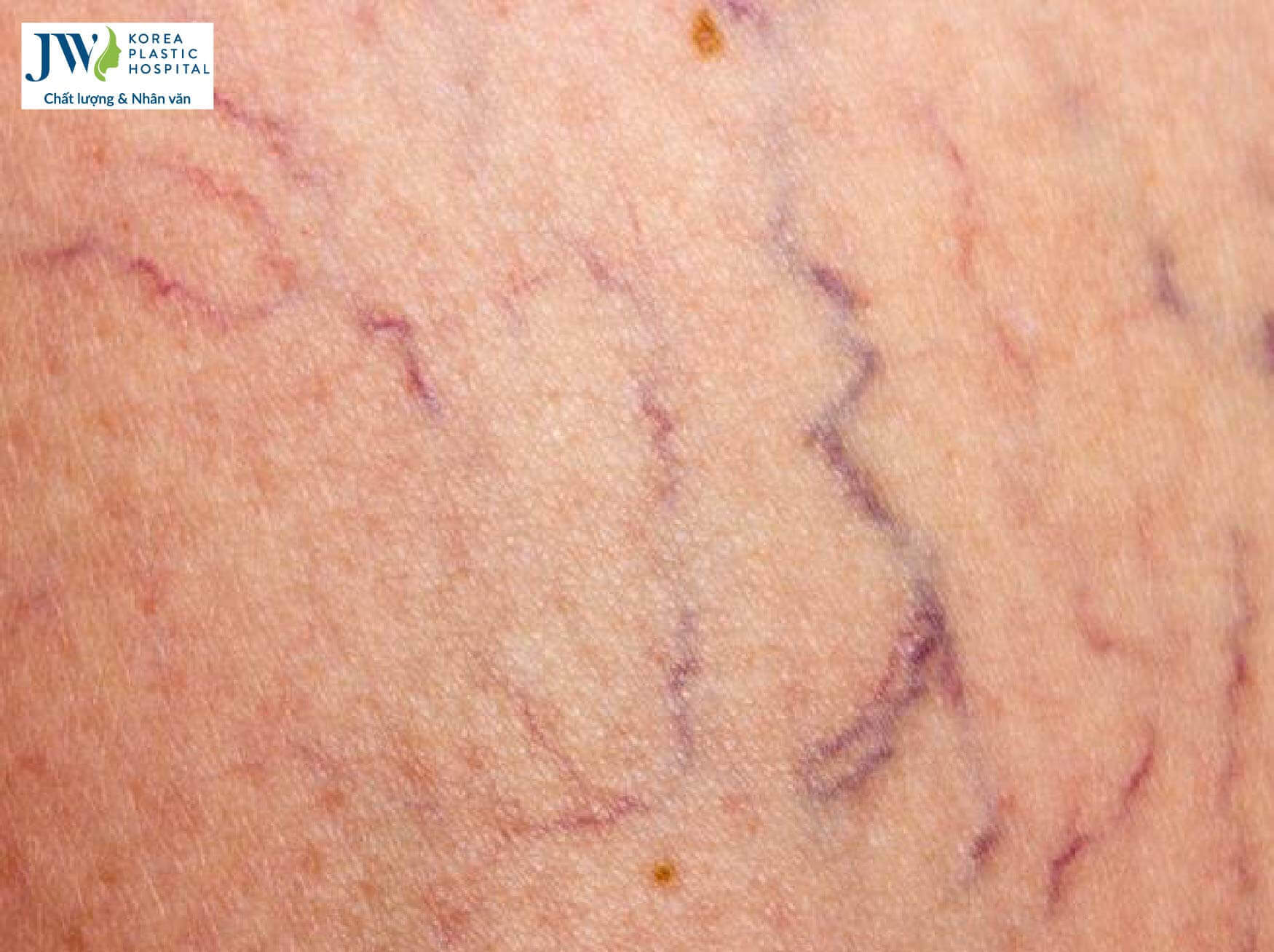
Aesthetic impact on the body
Regarding vascular dilation on the face, while it carries negligible health hazards, it substantially diminishes facial aesthetics. Prominently visible veins detract from a smooth, vibrant complexion, often triggering self-consciousness. Seeking targeted clinical interventions can yield marked improvements for this condition.
Treatment Methods for Telangiectasia at Bệnh viện JW
Various clinical modalities are available to resolve capillary dilation, including:
- Topical Retinoids: In addition to acne management, this active ingredient aids in diminishing visible surface capillaries. However, therapeutic administration requires clinical guidance to mitigate adverse reactions such as skin xerosis and irritation.
- Laser Therapy: Laser technology is utilized to ablate dilated blood vessels via high-intensity light energy. This modality delivers dramatic clinical clearance, though it may transiently heighten post-procedure cutaneous sensitivity.
- Sclerotherapy: A specialized sclerosant solution is injected into the affected vessels, inducing endothelial damage and vascular occlusion, which leads to their gradual reabsorption and disappearance. Mild transient discomfort may occur post-procedure and will resolve spontaneously.
- IPL (Intense Pulsed Light) Technology: Delivers broad-spectrum light wavelengths targeted selectively at intravascular hemoglobin to photocoagulate capillaries without compromising epidermal integrity. This modality offers superior safety profiles and high clinical efficacy compared to traditional ablative systems.
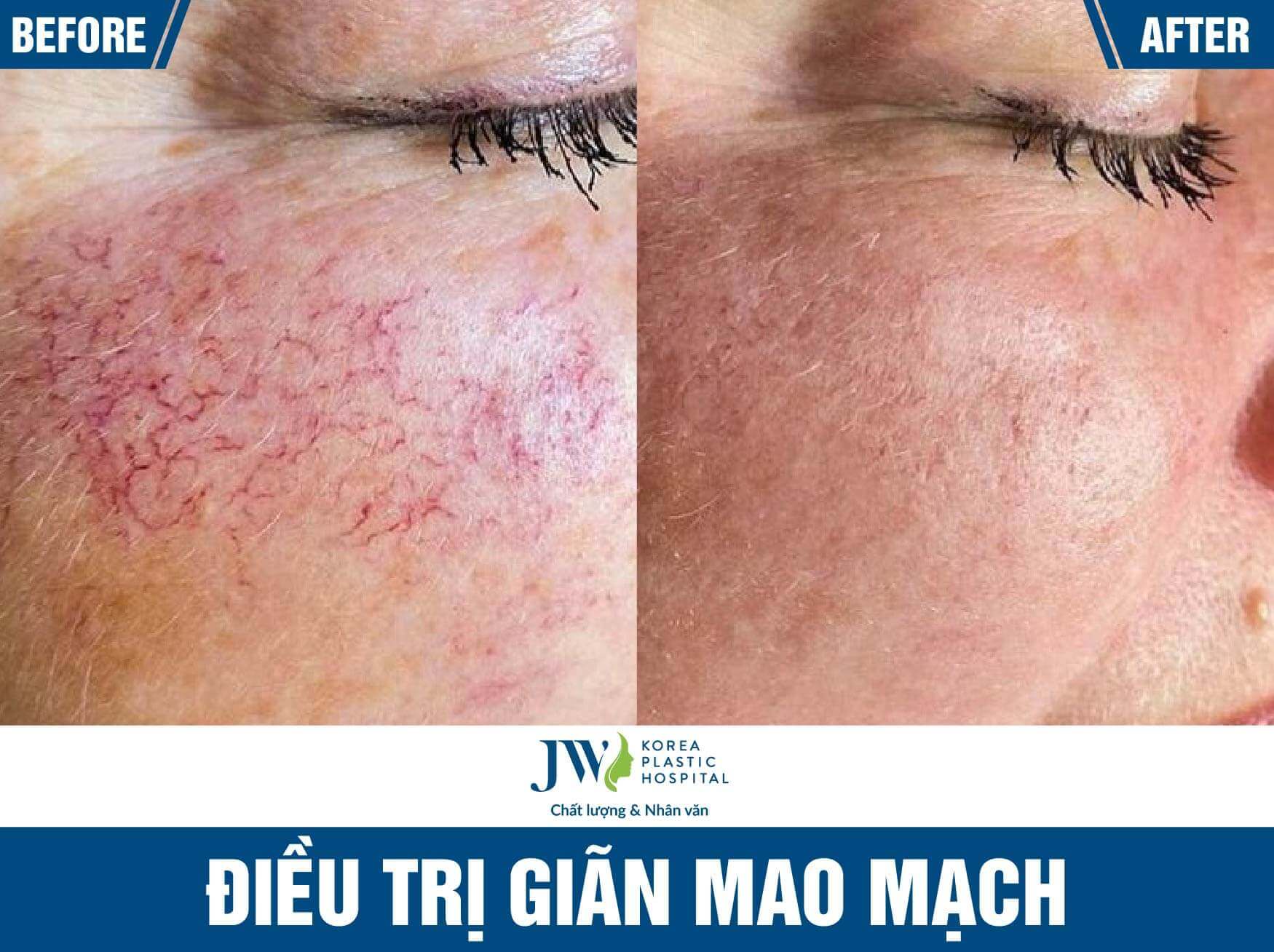
Actual clinical results
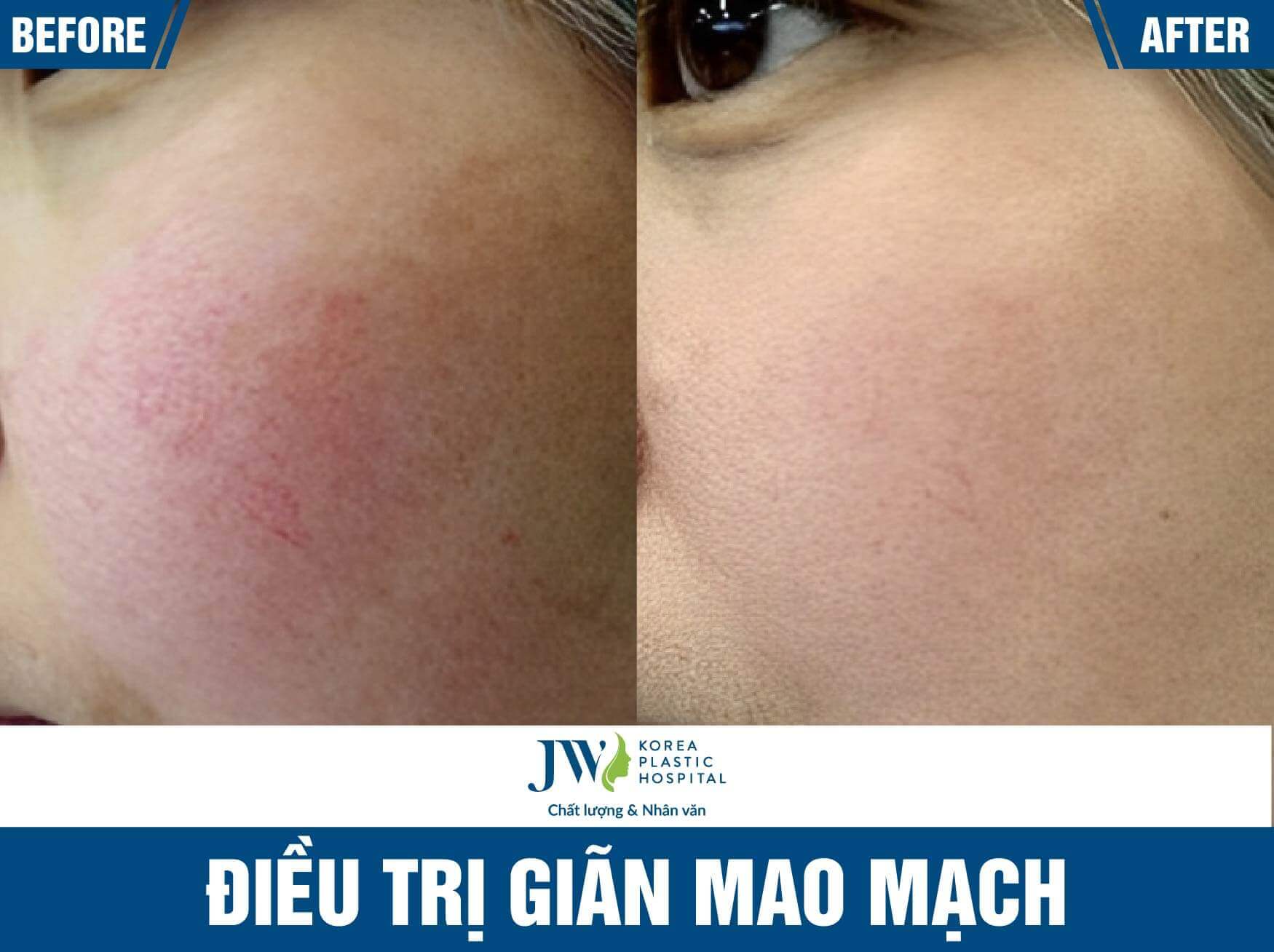
Actual clinical results
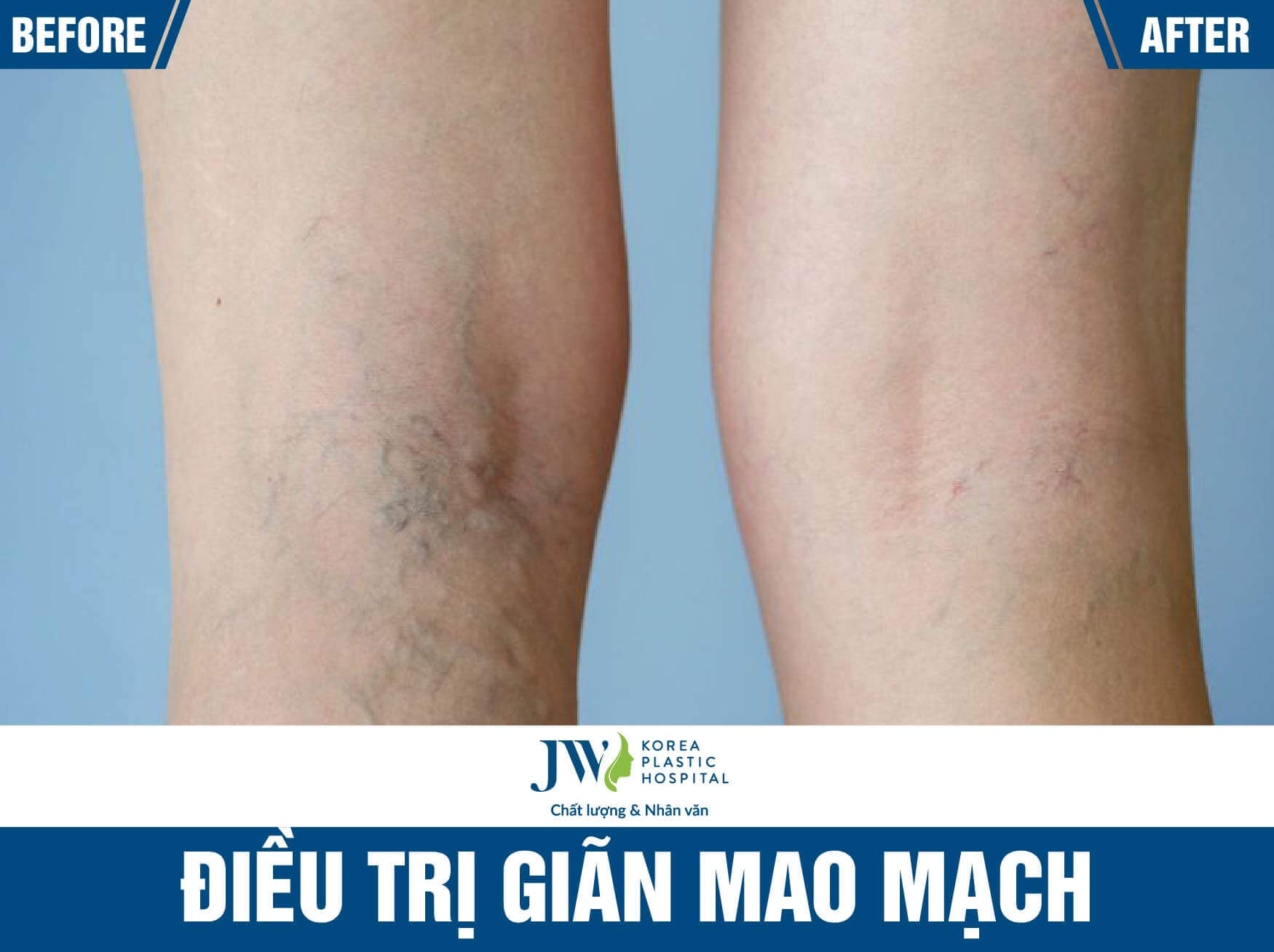
Actual clinical results
Clinical Procedure Protocol at Bệnh viện JW
Below is the clinical protocol for telangiectasia examination and treatment at Bệnh viện JW, ensuring patients receive a standardized, safe, and highly effective therapeutic pathway:
Step 1: In-depth dermatological consultation and clinical evaluation
Step 2: Cutaneous diagnostic assessment and pre-treatment preparation
Step 3: Execution of targeted capillary therapy
Step 4: Post-procedural skincare and soothing care
Step 5: Follow-up appointment and clinical outcome monitoring
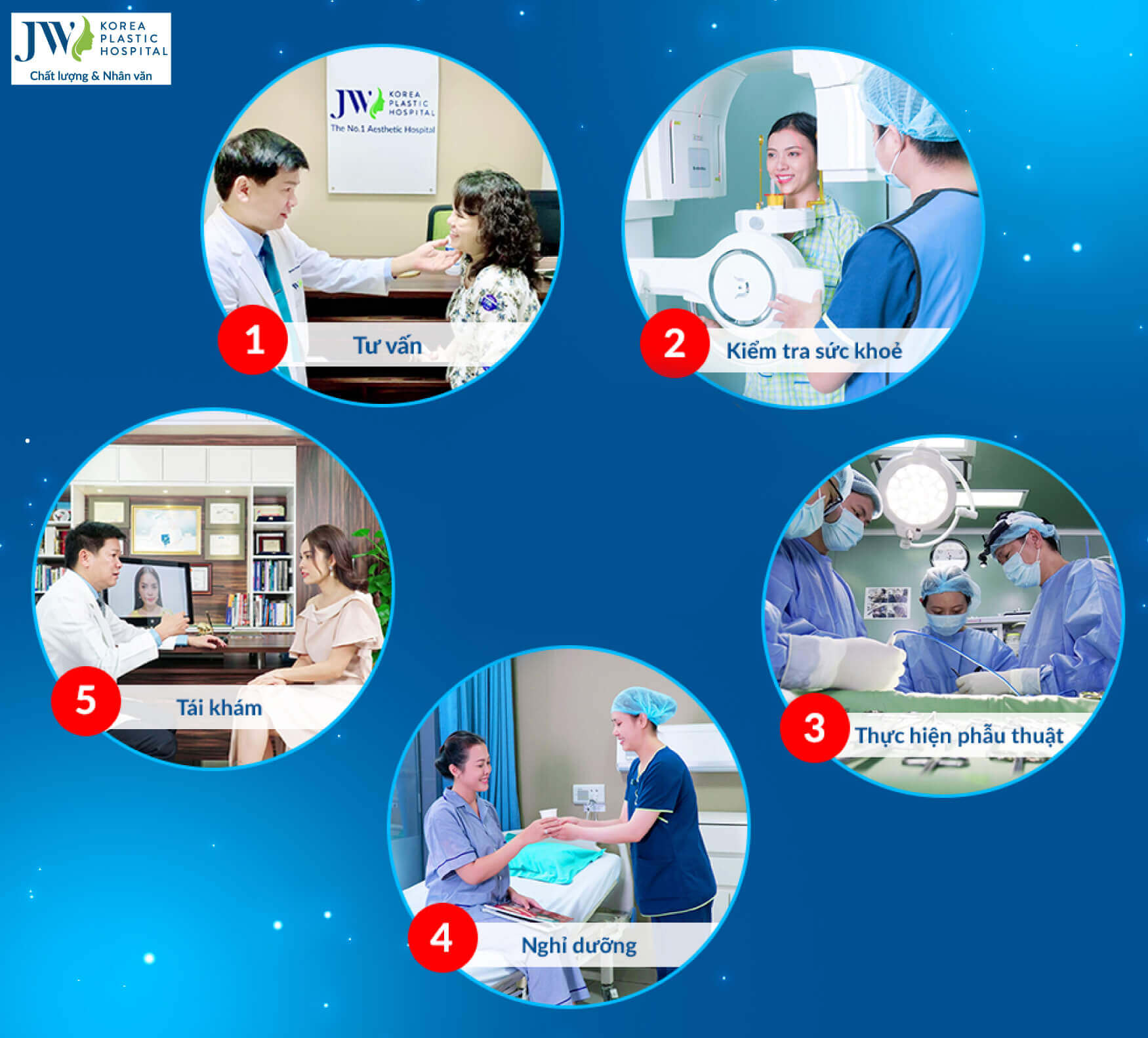
Clinical consultation and treatment protocol at Bệnh viện JW
Essential Post-Treatment Considerations
To prevent capillary dilation and mitigate recurrence risks, adhere to the following recommendations:
- Cleanse with cool or lukewarm water: Avoid excessively hot water as it can trigger capillary rupture beneath the skin.
- Strict photoprotection: Apply broad-spectrum sunscreen with SPF 30+ daily, combined with wide-brimmed hats, UV-blocking sunglasses, and protective attire outdoors.
- Limit UV exposure during peak hours: Avoid direct sun exposure between 10:00 AM and 4:00 PM to protect the skin barrier.
- Avoid corticosteroid-adulterated cosmetics: Steer clear of unverified whitening creams or skincare formulas of unknown provenance that thin the epidermis and leave vessels prone to damage.
Proper dermatological maintenance alongside tailored clinical interventions will significantly improve vascular dilation, restoring a resilient and uniform complexion.
Frequently Asked Questions
Can telangiectasia resolve on its own?
It does not resolve spontaneously and requires targeted medical interventions to achieve visible clinical improvement.
Is telangiectasia dangerous?
Generally, it does not pose serious health risks. However, advanced or untreated presentations may lead to phlebitis, edema, localized pain, or vascular congestion.
Who is most predisposed to telangiectasia?
Individuals with thin skin, pregnant women, the elderly, those with hereditary factors, or individuals with chronic solar radiation and pollutant exposure are at elevated risk.
Which treatment for telangiectasia is most effective?
Depending on clinical severity, physicians may prescribe vascular laser therapy, IPL, sclerotherapy, or topical retinoids.
Is vascular dilation treatment painful?
Advanced modalities such as modern laser or IPL induce only mild tingling sensations that dissipate rapidly following the procedure.
Conclusion
Bệnh viện JW is a premier clinical destination for vascular dilation and telangiectasia therapy, backed by seasoned specialists and state-of-the-art medical technology. We are committed to delivering safe, effective treatment courses to help you promptly regain healthy, radiant skin.
Contact Bệnh viện JW today via HOTLINE:09.6868.1111 or đăng ký for a complimentary consultation!