

3-in-1 Autologous Hair Transplant at JW Hospital combines AI, FUE, and DHI to help improve thinning hair, treat baldness, and restore the natural hairline.
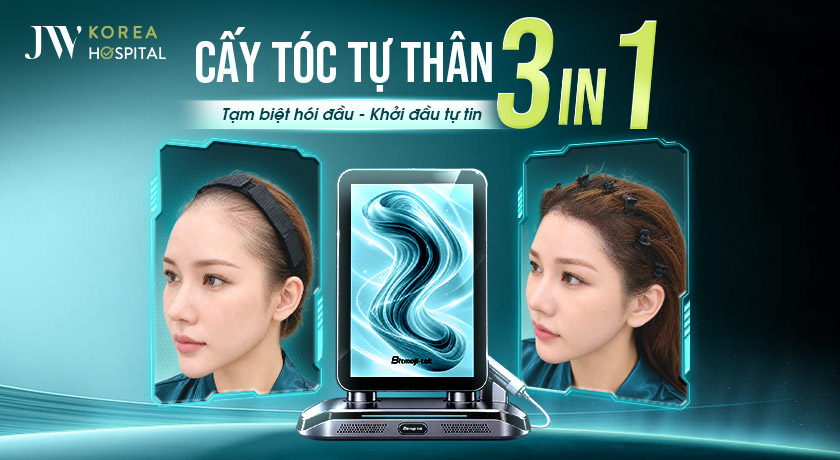
3-in-1 Autologous Hair Transplant – The solution to overcome baldness and regain naturally thick hair
What is 3-in-1 Autologous Hair Transplant?
3-in-1 Autologous Hair Transplant is a method that utilizes the patient’s own hair follicles, typically harvested from the back or sides of the head, and implants them into thinning or balding areas. This procedure aims to enhance hair density and design a hairline tailored to each individual facial structure.
At JW Hospital, the 3-in-1 autologous hair transplant service integrates three key elements: AI-assisted hair and scalp analysis, the FUE technique for follicle extraction, and DHI for follicle implantation using specialized implanter pens.
This combination provides doctors with comprehensive clinical data to evaluate hair condition, select optimal donor areas, and formulate an appropriate transplantation plan. Actual efficacy also depends on the underlying causes of hair loss, follicle quality, scalp condition, and postoperative care compliance.
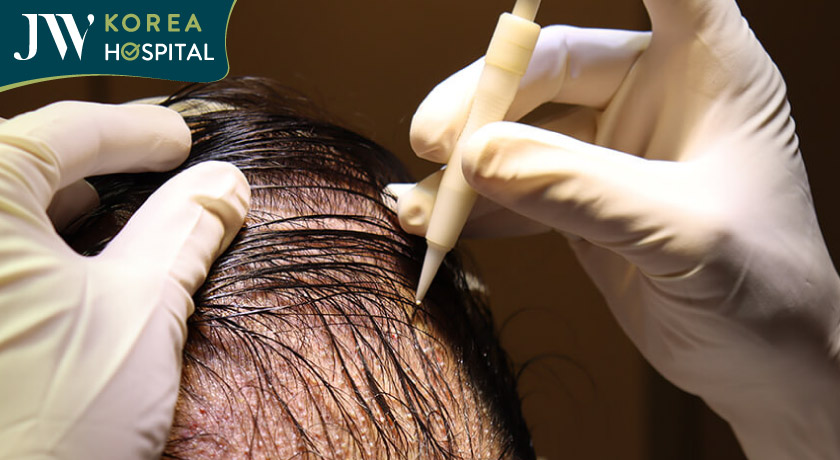
3-in-1 autologous hair transplantation helps improve hair density and creates a natural hairline
Benefits of 3-in-1 Autologous Hair Transplant Service
Supports the improvement of baldness and hair thinning
Hair transplantation helps replenish hair follicles in thinning or bald regions where recipient-site follicles can no longer recover. The treatment strategy is carefully calculated based on the recipient surface area and available donor follicle reserves.
Harmonious hairline design
The hairline directly impacts facial proportions. The physician evaluates forehead height, hair characteristics, age, and patient expectations to reconstruct a well-balanced hairline.
Controls the natural angle and direction of hair growth
The DHI technique utilizes specialized implanter pens, facilitating precise control over follicle depth, angle, and direction. These are critical factors ensuring the transplanted hair integrates seamlessly with existing natural hair.
Utilizes autologous hair follicles
The procedure uses the patient’s own healthy follicles rather than synthetic hair fibers. However, donor hair supply is finite and requires meticulous evaluation prior to intervention.
Minimizes linear scarring in the donor area
The FUE technique extracts individual follicular units rather than excising a continuous strip of scalp tissue. This approach avoids long linear scars, though micro-extraction sites may leave tiny marks depending on individual healing characteristics and skin genetics.
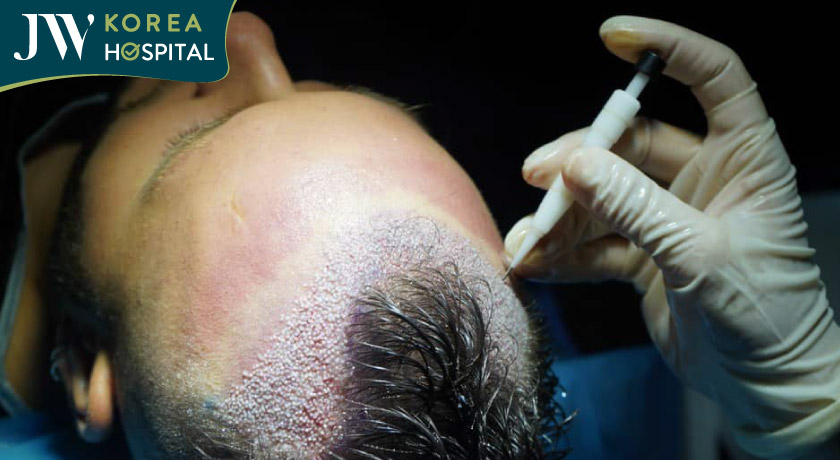
3-in-1 autologous hair transplant combines AI, FUE, and DHI to support hair density restoration
3-in-1 Autologous Hair Transplant Techniques at JW Hospital
AI technology for hair and scalp diagnostics
Bitmoji T3 AI technology assists in gathering parameters regarding hair density, follicular health, sebum levels, and scalp hydration. These data points provide a clinical foundation for specialists before designing the transplantation plan.
AI serves an auxiliary diagnostic role. Identifying the root causes of hair loss and prescribing treatments require in-depth clinical consultation and physical examination.
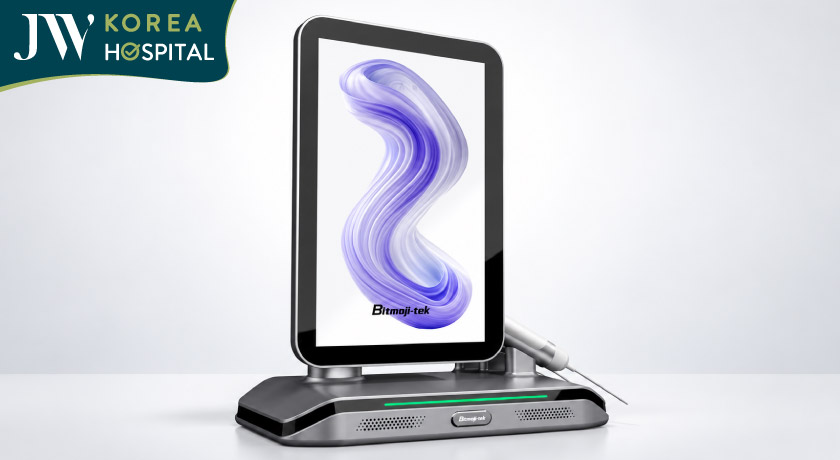
AI Bitmoji T3 scalp analysis assists physicians in identifying the exact causes of hair loss
FUE follicle extraction technique
FUE (Follicular Unit Extraction) involves extracting individual follicular units from suitable donor zones, usually the occipital scalp. Physicians use specialized micro-punch instruments to extract individual follicles, preventing long linear scarring.
The number of harvested follicles must be balanced against donor site density and recipient site needs. Over-harvesting may deplete and thin out the donor region.
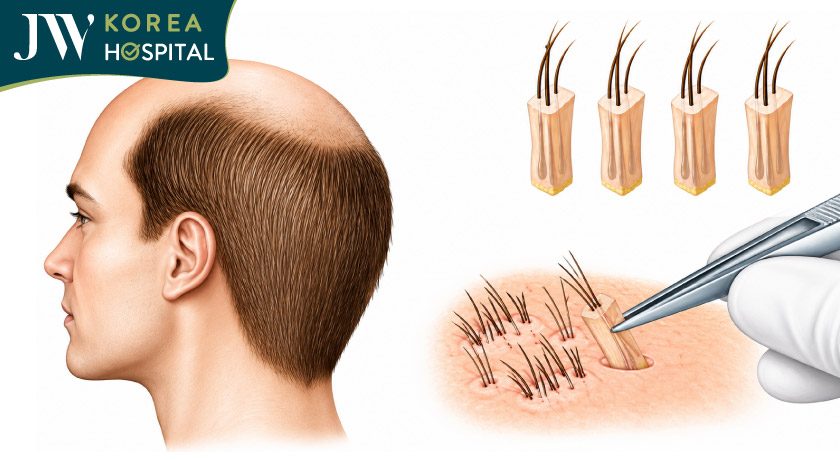
FUE extracts individual donor follicles, minimizing linear scarring and preserving donor density
DHI follicle implantation technique
Following extraction, hair follicles are systematically sorted and preserved in specialized solutions before implantation. DHI (Direct Hair Implantation) employs specialized implanter pens to introduce follicles directly into predetermined target sites.
The physician carefully calibrates density, graft angle, and growth direction according to the anatomical features of each scalp zone. A meticulous design ensures a seamless transition between transplanted grafts and adjacent native hair.
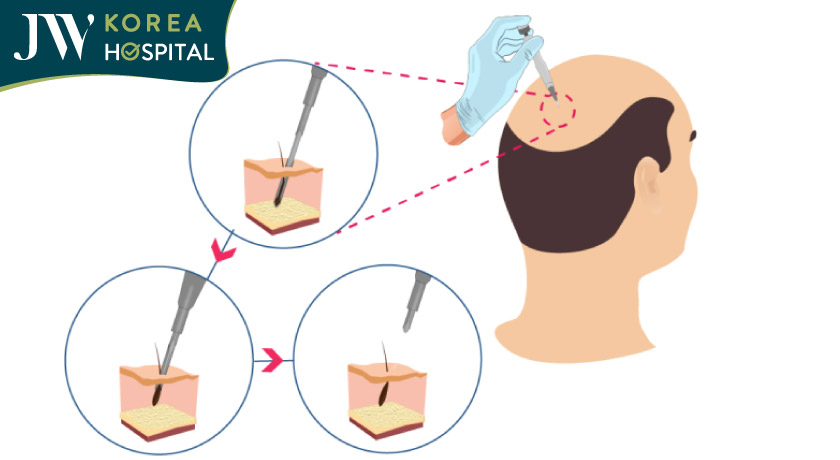
Follicles are preserved and implanted using DHI pens, ensuring proper density and natural growth direction
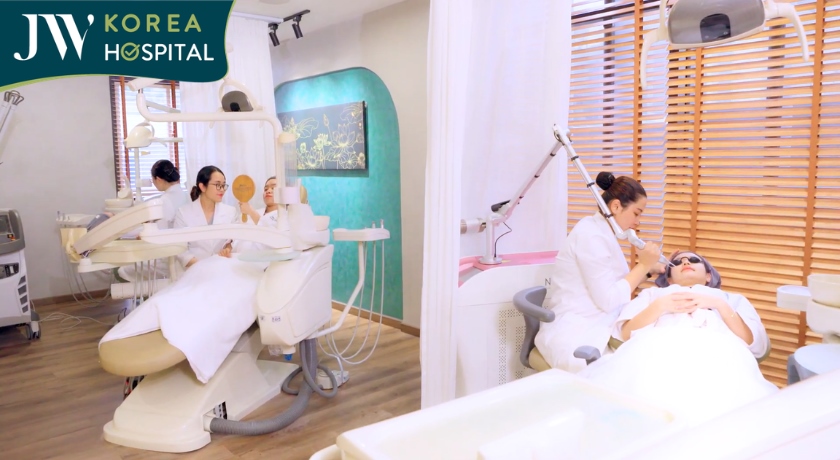
Luxurious, high-end environment meeting international medical standards
Candidates for Hair Transplantation
- Individuals with M-shaped baldness and a significantly receding hairline
- Individuals with thinning hair in the frontal or crown regions
- Individuals with a congenitally high hairline seeking aesthetic correction
- Individuals with chronic hair shedding requiring evaluation of follicular viability
- Patients who previously underwent hair transplants and wish to reassess density or hairline contours
Not every case of hair loss is suitable for transplantation. Physicians must diagnose the etiology, assess donor reserves, and evaluate general medical health prior to clinical indication.
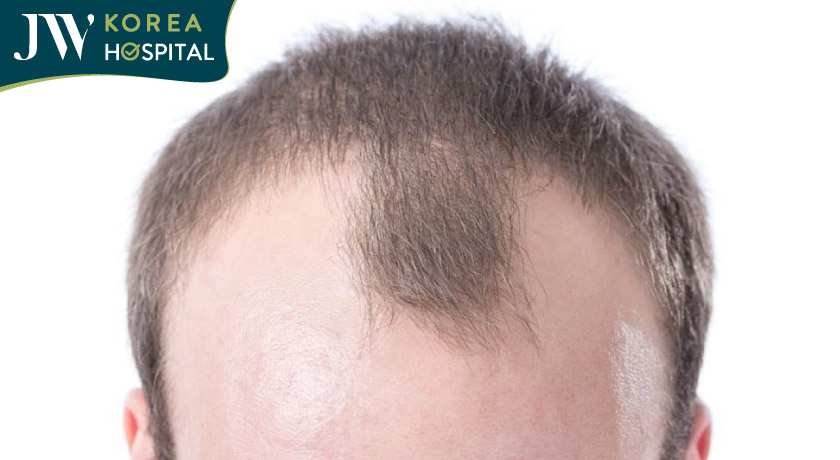
Hair transplantation is suitable for individuals with M-shaped baldness, thinning hair, or high hairlines
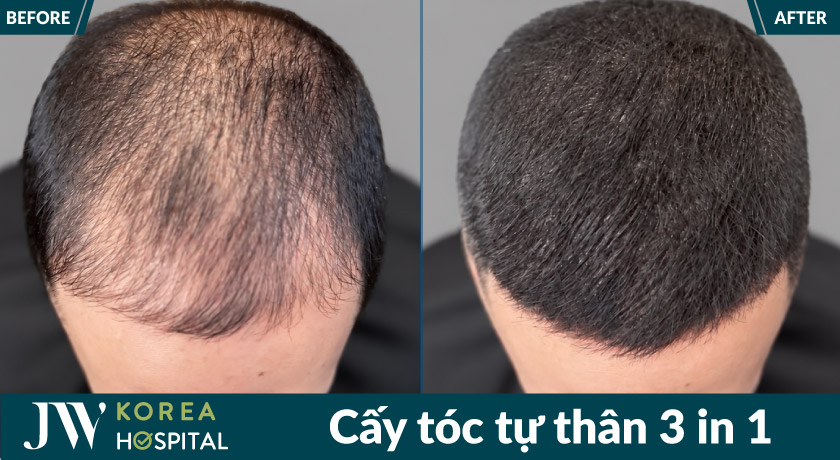
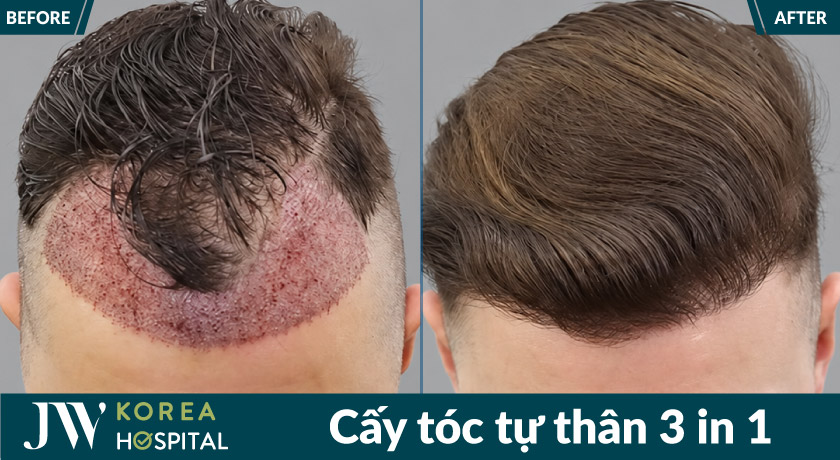
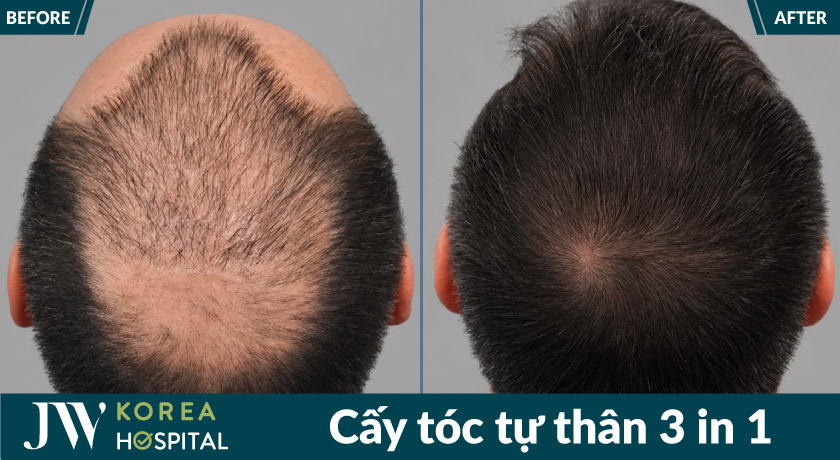
Actual Customer Results Before and After 3-in-1 Autologous Hair Transplant
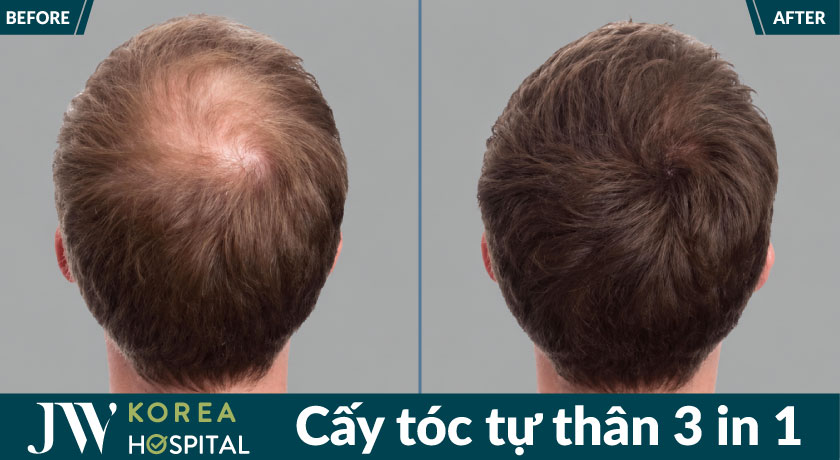
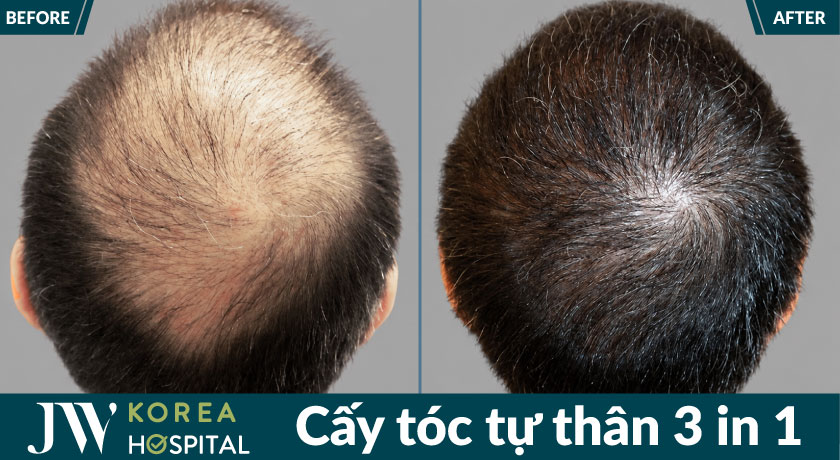
Procedure for 3-in-1 Autologous Hair Transplantation
The hair transplant protocol must be personalized according to hair condition, balding area extent, and donor reserves. Specific steps may be adapted according to clinical indications.
Step 1: Clinical consultation and hair evaluation
The doctor examines the pattern of hair loss, scalp health, medical history, and related health factors to determine potential causes and assess eligibility for hair transplantation.
Step 2: Donor and recipient zone analysis
Hair density, follicular viability, and the dimensions of the balding area are evaluated to quantify donor availability. The doctor also estimates the required graft count and recipient site receptivity.
Step 3: Hairline aesthetic design
The hairline is contoured based on facial proportions, forehead height, natural hair characteristics, and patient desires, balancing aesthetic goals with available graft resources.
Step 4: Selection of transplantation protocol
The physician formulates a tailored protocol combining FUE and DHI based on clinical findings. Patients receive detailed guidance on procedural steps, expected limitations, and associated risks.
Step 5: Follicle harvesting and implantation
Follicles are harvested from the donor site, sorted, and preserved under strict clinical protocols. Subsequently, grafts are implanted into the recipient zones according to the approved surgical plan.
Step 6: Postoperative care instructions
Patients receive comprehensive guidance on cleansing the treated scalp, protecting the surgical sites, administering prescribed medications, and identifying warning signs that warrant clinical review.
Step 7: Follow-up visits and outcome monitoring
The medical team monitors tissue healing and hair growth dynamics across structured appointments. Follow-up milestones may be adjusted according to each patient’s individual progress.
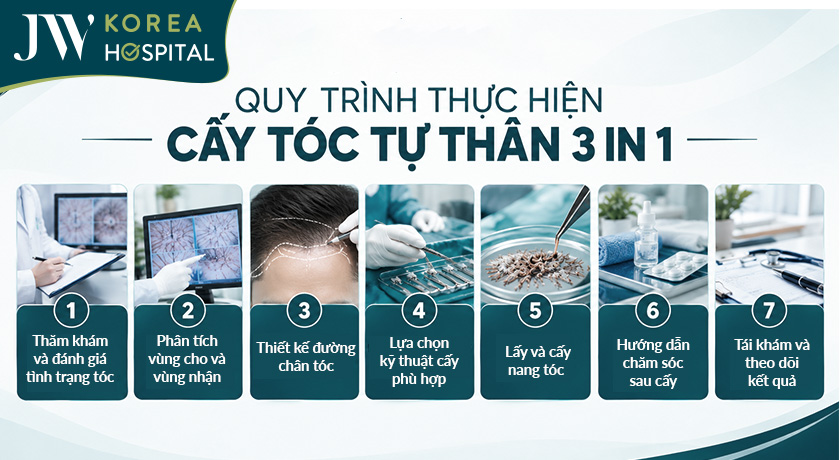
Standardized clinical 3-in-1 autologous hair transplant procedure at JW Hospital
Important Considerations for 3-in-1 Autologous Hair Transplantation
Accurately identifying the etiology of hair loss
Hair loss can be triggered by genetics, hormonal fluctuations, nutritional deficiencies, stress, or dermatological pathologies. If the underlying cause remains unmanaged, adjacent native hair may continue to shed post-procedure.
Evaluating donor follicle reserves prior to surgery
Hair transplantation redistributes existing follicles; it does not generate new ones. Hence, harvest yield must be calculated conservatively to avoid compromising donor site density.
Clear communication regarding realistic expectations
Transplanted follicles require time to establish and cycle through natural growth phases, meaning results do not appear overnight. Improvement levels depend on graft viability, surgical precision, biological response, and postoperative diligence.
Strict adherence to postoperative care
Patients must strictly follow hygiene protocols, protect graft sites, and attend scheduled follow-ups. Avoid applying mechanical pressure to the graft area or applying unauthorized topical formulations without physician approval.
Understanding potential procedural risks
Hair transplantation is an invasive minor surgical procedure. Potential risks include edema, localized discomfort, infection, scarring, or suboptimal graft take. Undergoing treatment at an accredited medical facility is essential for mitigating clinical risks.
Selecting qualified medical facilities and physicians
Patients should thoroughly evaluate consultation protocols, surgical methodologies, medical credentials, and aftercare plans. Decisions should never be based solely on commercial graft counts or low-cost pricing.
Frequently Asked Questions About 3-in-1 Autologous Hair Transplant
Does 3-in-1 autologous hair transplantation use synthetic hair?
No. The procedure exclusively uses the patient’s own natural follicles, harvested from the back of the head or areas with adequate follicular density.
How long after transplantation does hair start growing?
Transplanted follicles require time to recover and proceed through their natural biological cycle. A temporary shedding phase (shock loss) typically occurs initially before robust hair growth emerges. The exact timeline and density vary per individual.
Does hair transplantation leave scars?
FUE avoids linear scars in the donor region. Nonetheless, tiny punctate micro-scars may remain depending on skin healing response, extraction gauge, and surgical technique.
Can someone with a congenitally high hairline undergo hair transplantation?
Yes, provided donor reserves and general health are adequate. The specialist will evaluate facial symmetry, hair density, and realistic adjustment boundaries.
Is shaving required for a hair transplant?
Full shaving is not mandatory in all cases. The surgical approach depends on the surface area being treated, chosen technique, and existing hair characteristics.
Will transplanted hair shed permanently again?
Transplanted hair retains its original biological characteristics and undergoes normal hair cycles. Surrounding native hair may still shed if systemic causes remain unaddressed. Routine monitoring and appropriate maintenance therapies are advised.
Conclusion
3-in-1 Autologous Hair Transplantation integrates AI analysis, FUE follicle harvesting, and DHI implantation to help address hair thinning, baldness, and receding hairlines.
However, outcomes depend on the etiology of hair loss, donor reserves, baseline health, and postoperative care. An in-person clinical examination is essential to determine surgical candidacy and formulate a customized treatment protocol.
Contact HOTLINE : 09.6868.1111 or đăng ký for a comprehensive hair evaluation, expert consultation, and personalized guidance.